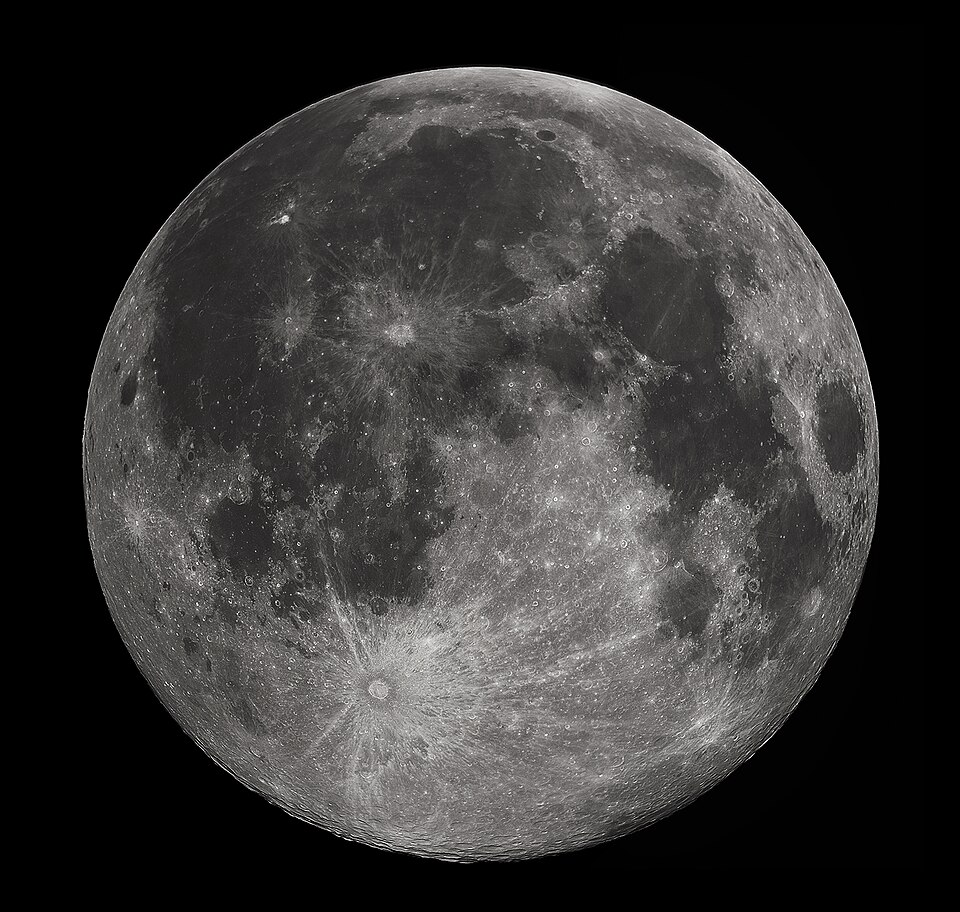
Core Interpretation
In this section, Moon Structures & Ruins is interpreted through an alternative-cosmology lens where official mission narratives and planetary science are tested against anomaly sets, testimony clusters, and classification behavior.
Researchers compare image archives, telemetry disputes, historical mission statements, and institutional messaging shifts to identify persistent contradiction patterns.
Operational Narrative
Operationally, Moon Structures & Ruins is framed as lunar-architecture anomaly claims in suppressed-imagery narratives. The model often links technical claims to governance outcomes: what becomes classified, what is released, and what is framed as fringe regardless of unresolved anomalies.
In this narrative architecture, science communication and strategic communication overlap, with disclosure paced to preserve institutional legitimacy while gradually expanding acceptable discussion boundaries.
This archive evaluates planetary claims using layered confidence: image provenance, source-chain integrity, repeatability of observations, and consistency across independent witnesses and documents.
Civilizational Implications
Under this framework, Moon Structures & Ruins is not only astronomy; it is governance and anthropology. If key assumptions are wrong or incomplete, then educational models, energy policy, and historical narratives may require major revision.
The practical recommendation is structured skepticism with transparent notes: separate what is observed, what is inferred, and what remains unresolved.
Anomaly Persistence
Long-lived anomalies that survive multiple report cycles without transparent resolution are treated as signals for deeper inquiry.
Disclosure Pacing
Shifts in official language are analyzed for whether they represent scientific progress, institutional adaptation, or controlled narrative transition.