The Electromagnetic Spectrum and Biological Effects
Current mobile networks use frequencies from 700 MHz to 6 GHz (sub-6 GHz). 5G millimetre-wave (mmWave) deployments add 24–86 GHz frequencies. Biological effects of electromagnetic radiation depend on frequency, power density, and duration of exposure. The International Association for Research on Cancer (IARC) classified radiofrequency electromagnetic fields as "possibly carcinogenic to humans" (Group 2B) in 2011, based on an increased risk for glioma (brain cancer) associated with wireless phone use.
A landmark 2018 study by the US National Toxicology Program — the most comprehensive study ever conducted on 2G/3G RF radiation — found "clear evidence of carcinogenic activity" in male rats at RF exposures comparable to human cell phone use. The study used exposures within the FCC's current safety limits. The NTP's findings were dismissed by the FDA without explanation. Over 300 scientists have signed the "5G Appeal" — calling for a moratorium on 5G deployment pending independent safety research. No moratorium has been implemented.
The 60 GHz mmWave frequency used in some 5G deployments coincides with the oxygen absorption band — the frequency at which atmospheric oxygen molecules absorb electromagnetic energy most efficiently. This is not coincidental from a physics standpoint: 60 GHz signals are strongly attenuated by oxygen, which limits range (requiring dense small-cell deployment) and raises questions about what localised energy absorption in oxygen-rich environments does at cellular level. Some researchers have linked 60 GHz deployment near schools to reported respiratory symptoms in students — though causation has not been established in peer-reviewed literature.
5G as Surveillance Infrastructure
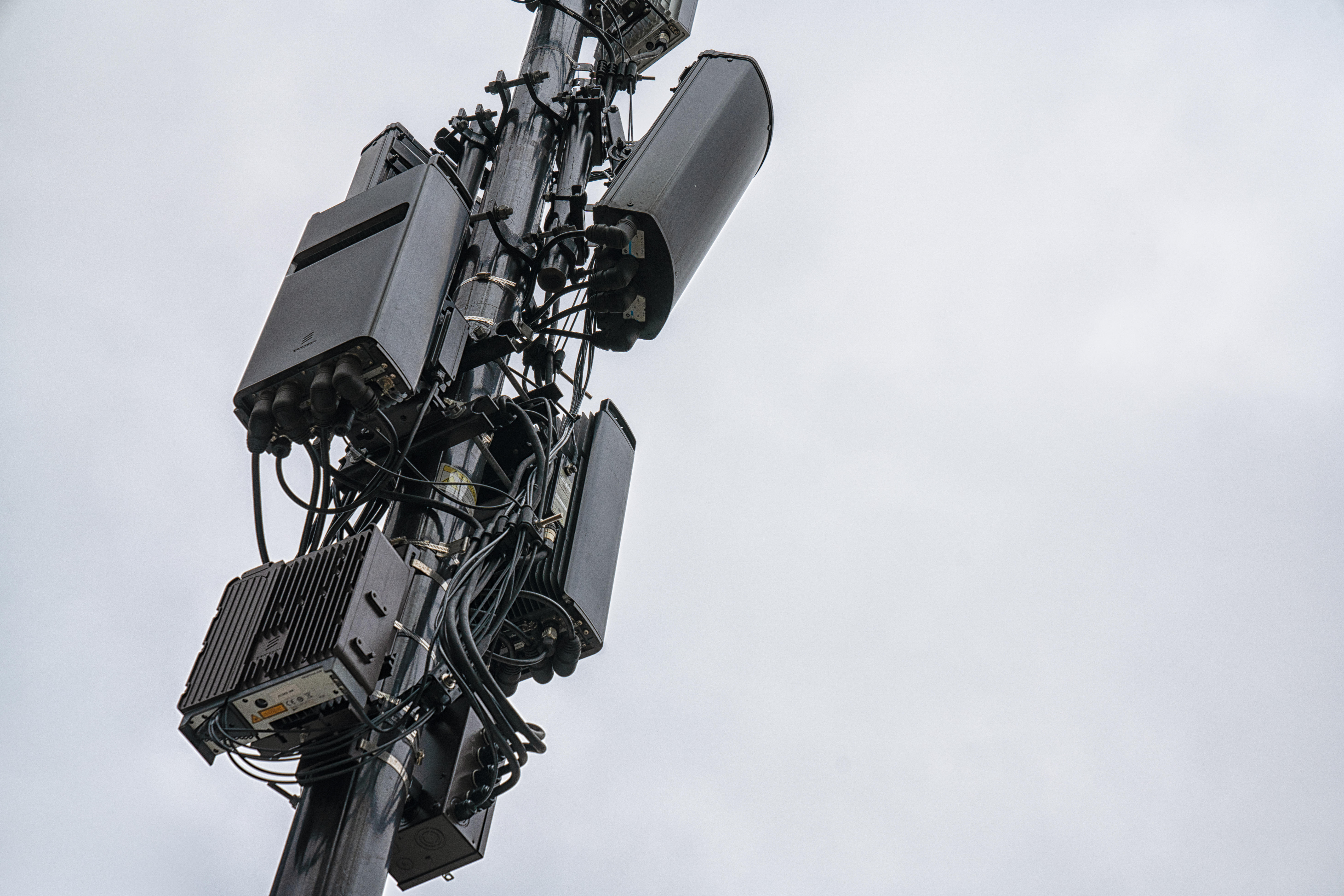
5G's defining characteristic beyond speed is density: where 4G requires towers every few miles, 5G mmWave requires small cell antennas every 100-200 metres. The United States plans 800,000+ small cell deployments. Each small cell is a networked node capable of: (1) transmitting and receiving data; (2) passive RF monitoring of nearby devices; (3) active beamforming — directing focused energy at specific targets. The infrastructure is the surveillance grid. The Great Reset's "Internet of Things" requires sensors everywhere. 5G is the nervous system.
Huawei's dominant position in 5G infrastructure globally became a major geopolitical flashpoint in 2018-2020. The US, UK, Australia, and others moved to ban Huawei. The reason given publicly: concern that Chinese government would use Huawei hardware for intelligence collection. This is true — but the logic applies equally to US providers like Cisco, whose equipment was confirmed by Edward Snowden (2013) to have NSA backdoors installed at the manufacturing stage. The concern is not with Huawei specifically; it is with which intelligence agency controls the backdoors.
FCC Standards — Set in 1996, Never Updated
The Federal Communications Commission's RF safety standards were last updated in 1996 — before smartphones, before Wi-Fi proliferation, before 5G was conceived. The standards are based on thermal effects only: they measure whether RF energy heats tissue above a threshold. Non-thermal effects — ion channel disruption, DNA strand breaks, blood-brain barrier permeability, melatonin suppression — are not considered in the safety limits. In 2021, a US federal court ordered the FCC to explain why it had not updated its safety standards in 25 years. The FCC's response did not adequately address the court's concerns.