Historical Claim
In this section, Mud Flood is treated as part of a hidden-history framework where mainstream chronology may omit, compress, or reframe major civilizational chapters.
Researchers track anomaly clusters: architecture beyond expected capability, map precision anomalies, abrupt cultural resets, and selective archival silence around controversial finds.
Evidence Pattern
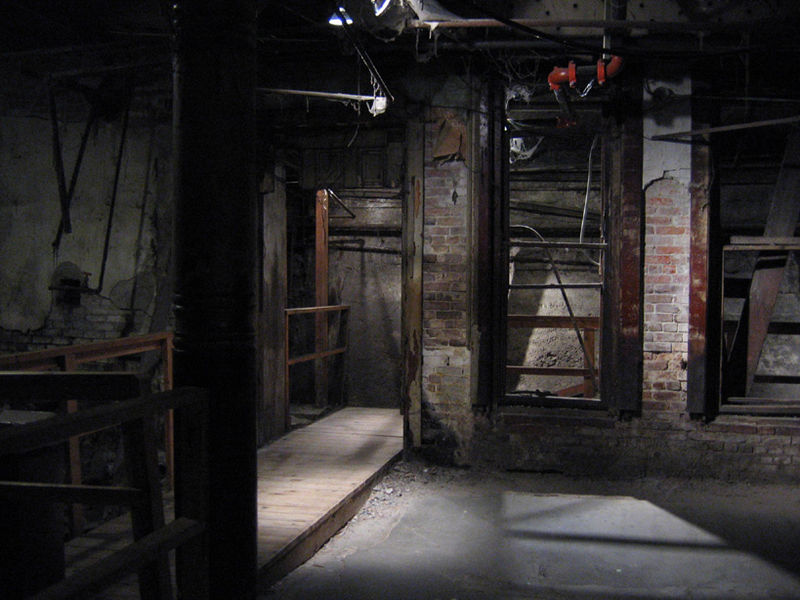
Operationally, Mud Flood is interpreted as civilizational reset narrative in 18th–19th century architecture anomalies. The evidence model combines field observations, legacy documents, geospatial clues, and comparative myth to build multi-source hypotheses.
A recurring argument is that institutional narratives protect continuity and social order; therefore paradigm-breaking evidence may face categorization barriers before technical refutation occurs.
This archive applies a chronology-first method: determine what is datable, what is inferred, and what is excluded by current paradigms, then evaluate whether exclusions are epistemic or political.
Civilizational Implications
Under this lens, Mud Flood has implications for identity, governance, and education: if core timeline assumptions shift, then institutional legitimacy narratives can shift with them.
The practical approach remains disciplined uncertainty: document claims rigorously, preserve contradiction maps, and separate symbolic appeal from verifiable data.
Archive Asymmetry
What survives in official archives is not always what existed; preservation, selection, and classification can shape perceived historical reality.
Reset Hypothesis
Multiple anomalies across architecture, cartography, and oral traditions are interpreted as signatures of one or more civilizational reset events.